Home Savings Through Life: How to Adjust Your Plan for Every Stage


Home Savings Through Life: How to Adjust Your Plan for Every Stage
Saving for a home is one of the biggest financial goals many Americans set for themselves—and it looks different at every stage of life. Your income, priorities, and lifestyle evolve over time, and your home savings strategy should evolve with them. Here’s how to adjust your plan from your early career years to retirement, so your home always supports your goals rather than limits them.
In Your 20s: Build the Foundation
For most people, the dream of homeownership begins in their 20s, when they’re finishing school or starting their first full-time job. This is the time to establish healthy financial habits and prepare for the future.
- Create a realistic budget – Track your income, expenses, and how much you can set aside each month.
- Start saving early – Even small, consistent contributions to a dedicated savings account can grow over time.
- Explore first-time buyer programs – Many states and lenders offer down payment assistance or special mortgage options for first-time buyers.
- Build your credit – Pay bills on time, keep credit card balances low, and avoid unnecessary debt. A strong credit score will help you qualify for better mortgage rates later.
At this stage, the goal isn’t to buy right away but to prepare. A solid savings base and good credit will give you flexibility when you’re ready to take the next step.
In Your 30s: Turn the Dream Into Reality
By your 30s, your career may be more stable, and your income higher. This is often when the dream of owning a home becomes a real possibility.
- Define your goals – Decide where you want to live, what kind of home fits your lifestyle, and how much you can comfortably afford.
- Compare mortgage options – Fixed-rate or adjustable-rate? Conventional or FHA loan? Shop around and talk to multiple lenders.
- Plan for extra costs – Closing costs, moving expenses, furniture, and maintenance can add up quickly.
- Think long-term – Choose a home that fits your plans for the next 5–10 years, not just your current situation.
In your 30s, it’s about balance—pursuing homeownership while maintaining financial flexibility. A manageable mortgage and an emergency fund can help you enjoy your new home without financial stress.
In Your 40s: Optimize and Plan Ahead
Once you’ve settled into your home and your finances are more stable, your focus can shift to optimizing your mortgage and planning for the future.
- Make extra payments if possible – Even small additional payments toward your principal can shorten your loan term and save thousands in interest.
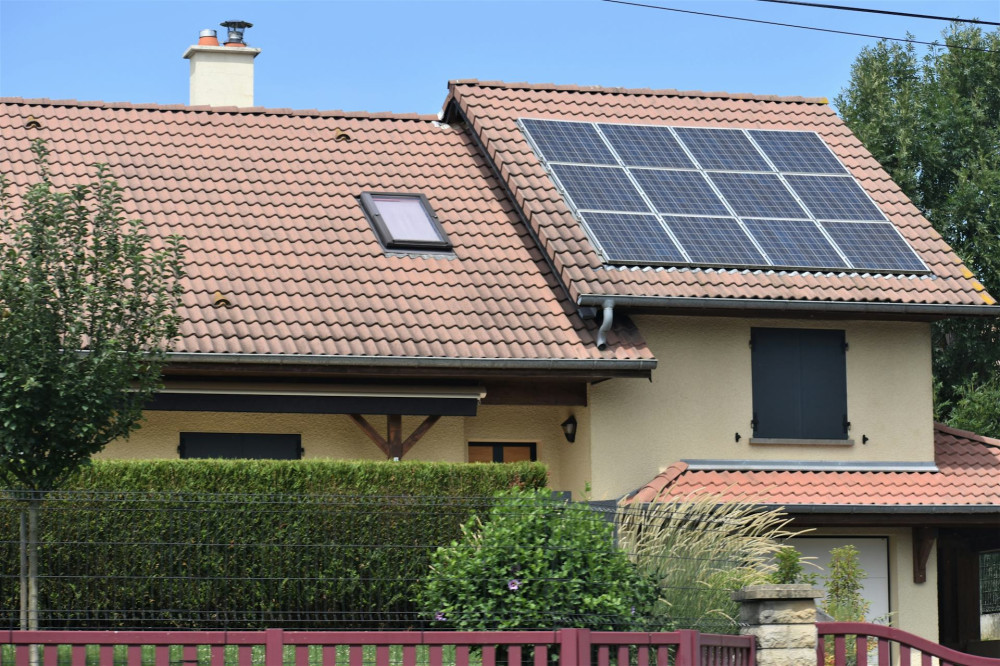
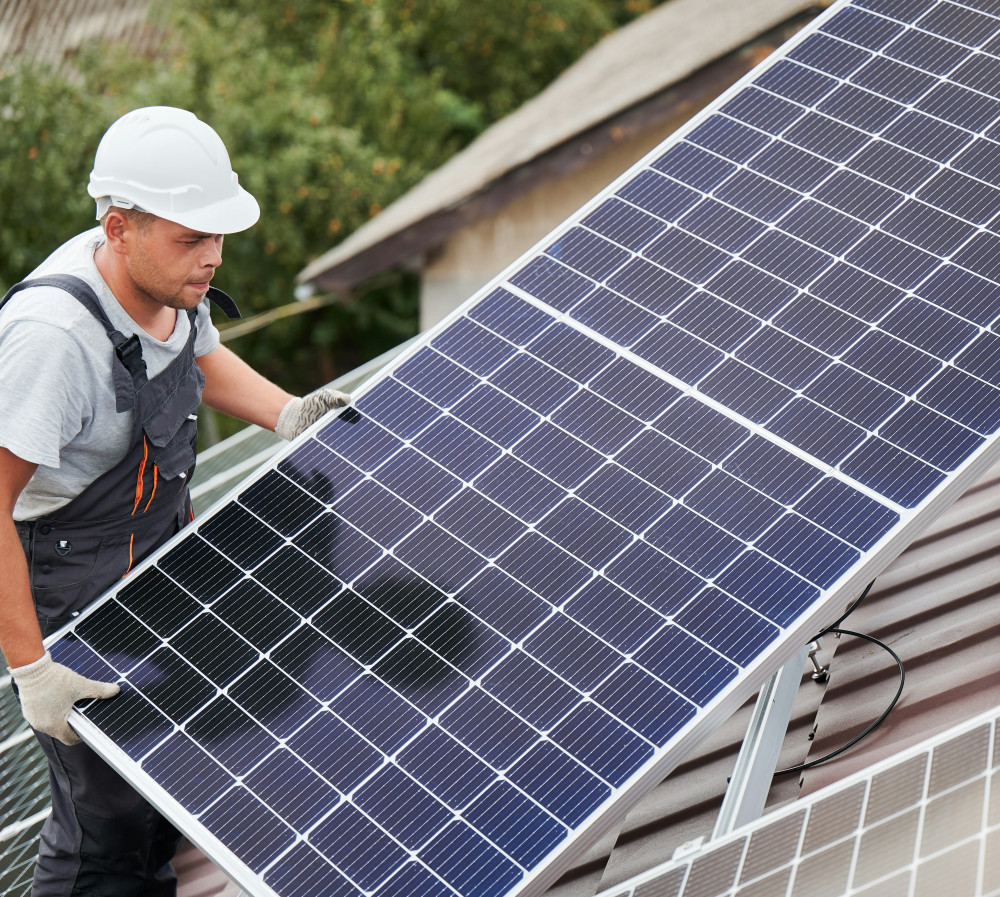
- Invest in improvements – Energy-efficient upgrades, like better insulation or solar panels, can reduce costs and increase your home’s value.
- Create a maintenance fund – Set aside money regularly for roof repairs, appliances, and other major expenses.
- Look ahead – Consider how your housing needs might change as your family grows or your career evolves.
This is the time to fine-tune your financial plan so your home continues to serve your long-term goals.
In Your 50s: Build Flexibility and Freedom
As children move out and your income peaks, your 50s can be a great time to strengthen your financial independence and prepare for the next chapter.
- Focus on paying down debt – Reducing or eliminating your mortgage can free up cash flow later.
- Consider downsizing – A smaller home can lower expenses and free up equity for other goals.
- Review your retirement plan – Your home and retirement savings should work together to support your future lifestyle.
- Handle major repairs now – It’s often easier to manage big projects while you’re still earning a full income.
This stage isn’t necessarily about cutting back—it’s about creating options. The more flexibility you have, the more freedom you’ll enjoy in the years ahead.
In Your 60s and Beyond: Prioritize Comfort and Security
In your later years, your home often becomes a key part of your overall financial picture. Whether you plan to stay put or move somewhere new, your decisions should support comfort and stability.
- Review your housing costs – Compare the expenses of staying in your current home versus selling or relocating.
- Use home equity wisely – Some retirees tap into their home’s value through downsizing or a reverse mortgage, but it’s important to understand the long-term impact.
- Plan for accessibility – Consider modifications that make your home safer and easier to navigate as you age.
- Discuss estate planning – Talk with family and financial advisors about how your home fits into your legacy and financial plans.
At this stage, home savings are less about buying and more about maintaining security and quality of life. A thoughtful plan can help you enjoy your home and your retirement with peace of mind.
Læs også:



A Plan That Grows With You
Home savings isn’t a one-time decision—it’s a lifelong process that evolves with your circumstances. By adjusting your plan as your income, family, and goals change, you can ensure your home remains a source of stability and opportunity at every stage of life.
Whether you’re saving for your first down payment or planning to simplify in retirement, the key is to stay informed, realistic, and flexible. With the right approach, your home can be both a place to live and a cornerstone of your financial well-being throughout your life.
Læs også: