Stay Calm When the Market Fluctuates: How to Avoid Emotion-Driven Investment Decisions

Stay Calm When the Market Fluctuates: How to Avoid Emotion-Driven Investment Decisions
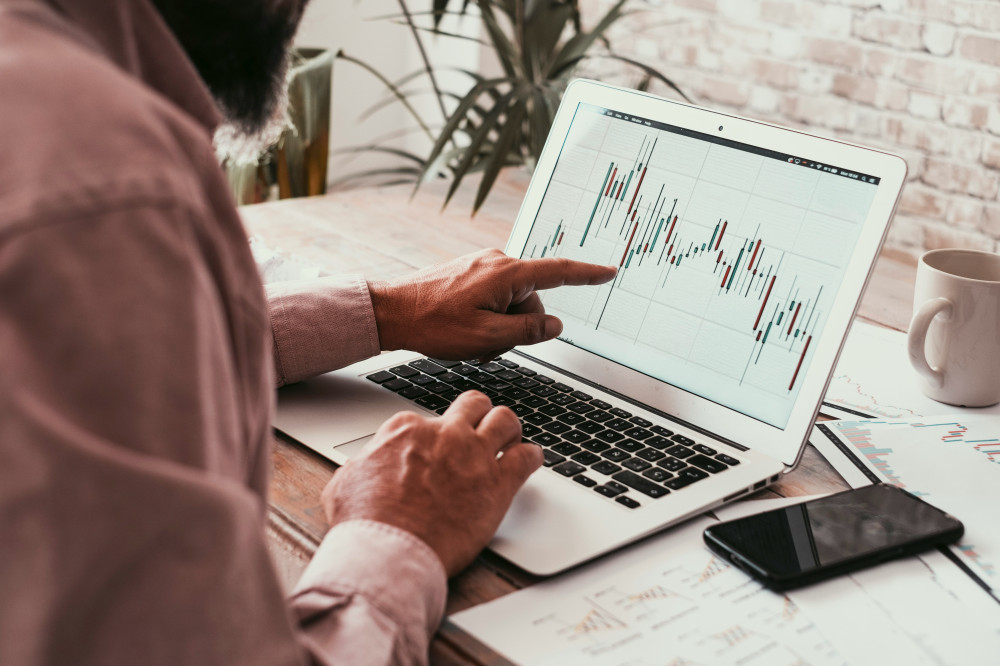
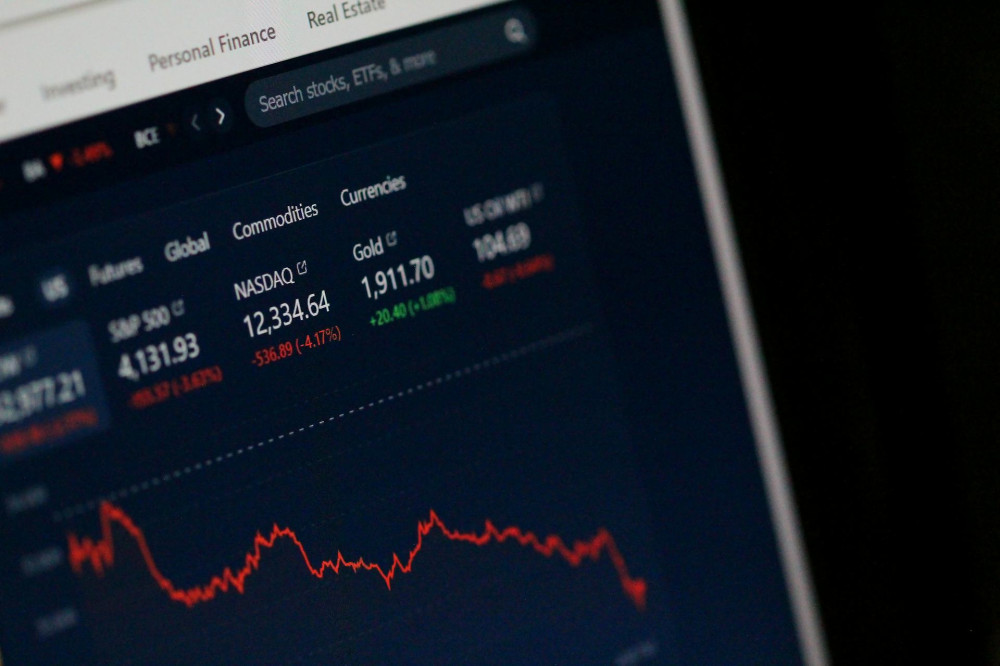
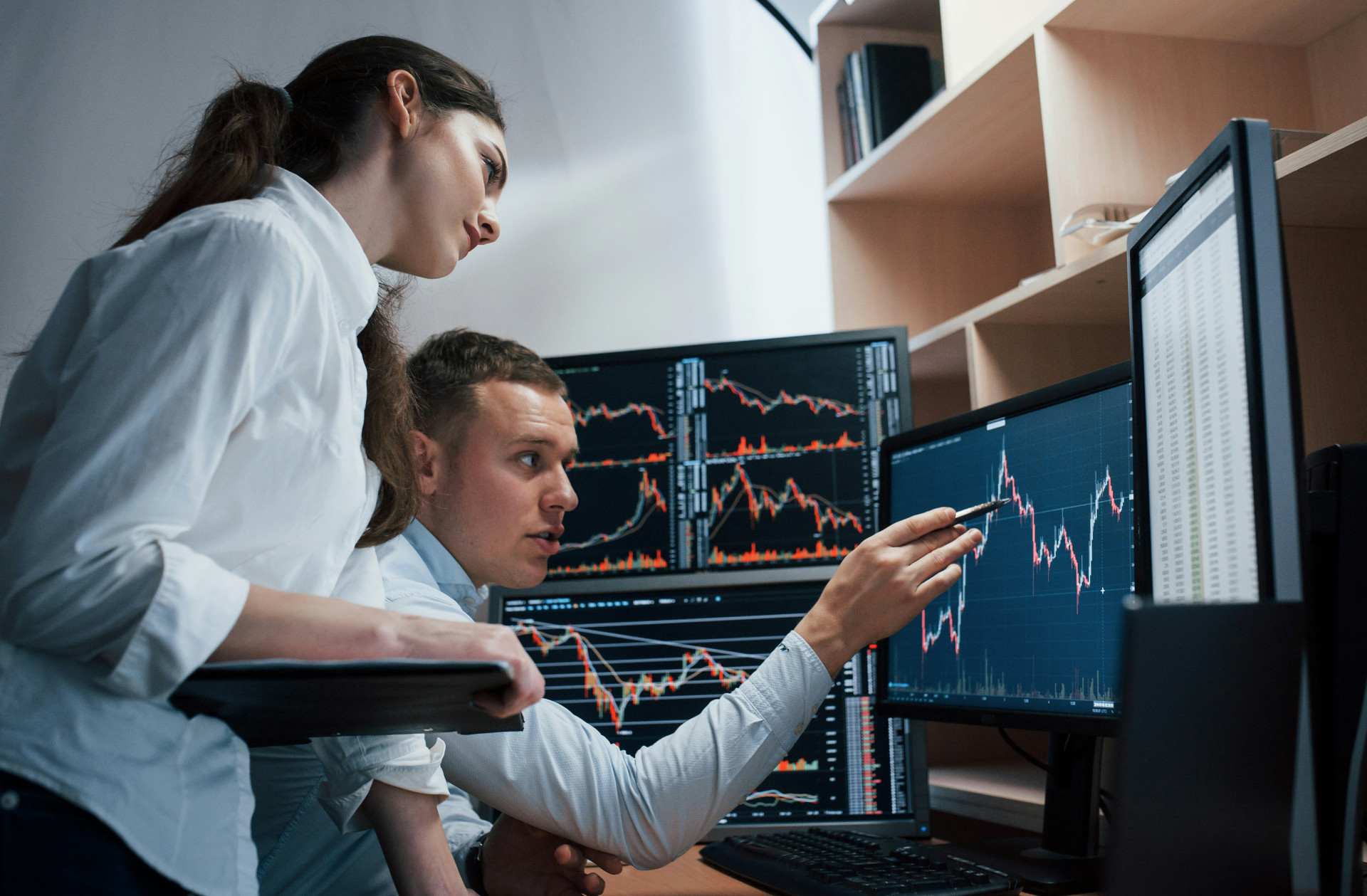
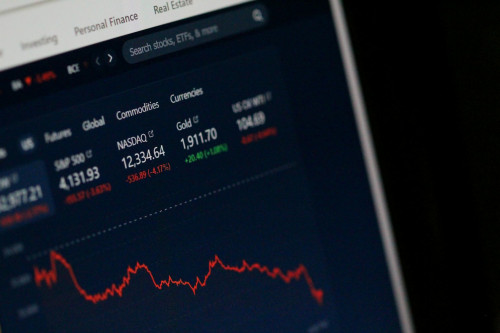
When the stock market swings up and down, it can be hard to stay calm. Red numbers on your screen can trigger anxiety, while green ones can spark excitement. But it’s often in those emotional moments that investors make their worst decisions. Keeping a cool head when markets fluctuate is one of the most valuable skills any investor can develop. Here’s how to avoid letting emotions drive your investment choices.
Market Fluctuations Are Normal
First, it’s important to accept that volatility is a natural part of investing. Stock prices move daily, sometimes dramatically, but history shows that markets tend to rise over the long term. Many investors forget this when they see their portfolio drop in value and react by selling—often right before the market rebounds.
Understanding that ups and downs are part of the process helps you view short-term declines as temporary rather than catastrophic. Perspective matters: a 10% dip may feel alarming in the moment, but in a long-term context, it’s rarely decisive.
Know Your Emotions—and Your Triggers
Fear and greed are two of the most powerful forces in investing. Fear pushes us to sell when prices fall, while greed tempts us to buy when prices are already high. Both can hurt long-term returns.
Behavioral economists call this “loss aversion”—the tendency to feel the pain of losses more strongly than the pleasure of gains. This bias can lead investors to make overly cautious or impulsive decisions. Recognizing these emotional triggers can help you respond rationally instead of reactively.
Have a Clear Strategy—and Stick to It
A well-defined investment strategy is your best defense against emotional decision-making. It should reflect your time horizon, risk tolerance, and financial goals. Once you have a plan, it becomes easier to stay the course during market turbulence.
Build a diversified portfolio that matches your risk profile, and rebalance it at regular intervals rather than reacting to short-term market moves. This disciplined approach ensures your decisions are guided by strategy, not sentiment.
Think Long-Term—and Don’t Check the Market Too Often
The more frequently you monitor your portfolio, the more likely you are to react to noise instead of meaningful trends. Many investors find they feel calmer when they check their investments less often.
Long-term investing is about letting time work in your favor. History shows that patient investors tend to outperform those who try to time the market. It can be tempting to trade based on headlines or social media chatter, but staying invested through the ups and downs usually pays off.
Use Automation to Reduce Temptation
Automation can help remove emotion from the equation. Setting up automatic monthly contributions—such as through a 401(k) plan or recurring investments in index funds—eliminates the need to decide when to buy.
This approach, known as dollar-cost averaging, smooths out the impact of market volatility and helps you stay consistent with your strategy, regardless of market sentiment.
Læs også:
Learn from History—and from Your Own Experience
Most investors have made emotional decisions at some point and regretted them later. That’s part of the learning process. Reflecting on past mistakes can help you recognize patterns in your behavior and make better choices in the future.
Look at historical data as well: even major downturns like the 2008 financial crisis or the early months of the 2020 pandemic were followed by strong recoveries. These examples remind us that patience and perspective are often rewarded.
Create Calm Around Your Investments
Staying calm isn’t just about numbers and strategies—it’s also about mindset. Maintain an emergency fund so you’re not forced to sell investments in a panic. Consider talking with a financial advisor who can provide an objective perspective when emotions run high.
Remember, investing shouldn’t be a constant source of stress. It’s a tool for building long-term financial security. The more you can separate your emotions from your decisions, the better you’ll do—both financially and mentally.
Læs også: