Digital Meets Analog: Combine Methods for More Effective Budget Management


Digital Meets Analog: Combine Methods for More Effective Budget Management
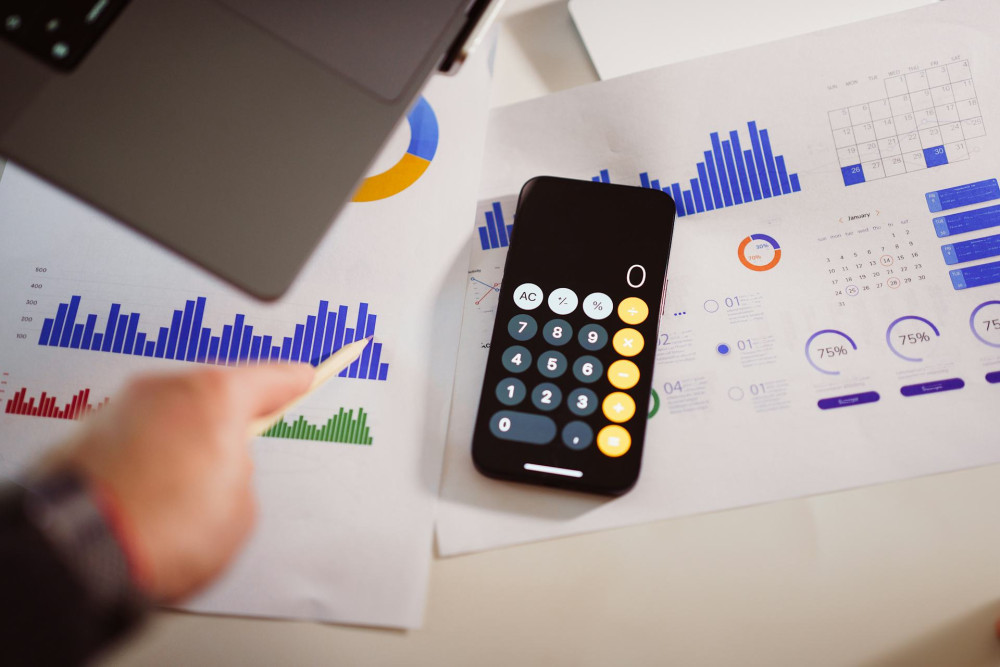
In an age where nearly every financial task can be handled with a tap or swipe, it’s tempting to let apps and automation take full control of your money. Digital tools make it easier than ever to track spending, set goals, and stay organized. Yet, there’s still something powerful about the analog approach — the act of writing things down, reflecting, and engaging directly with your finances. Combining both methods can give you a clearer picture of your money and help you stay committed to your financial goals.
The Digital Advantage – Fast, Smart, and Convenient
Digital budgeting tools have transformed the way Americans manage their money. Apps like Mint, YNAB (You Need a Budget), and EveryDollar automatically categorize your expenses, track your spending in real time, and send alerts when you’re close to overspending.
The benefits are clear:
- Automation saves time – no need to manually log every transaction.
- Data brings insight – you can spot spending patterns and adjust quickly.
- Goals and reminders – many apps help you stay focused on saving or paying down debt.
But even the smartest app can’t replace the awareness that comes from personally reviewing your numbers. That’s where the analog method comes in.
Læs også:


The Analog Approach – Reflection, Awareness, and Control
Writing down your budget by hand may seem old-fashioned, but it has real advantages. When you record your expenses in a notebook or spreadsheet, you’re forced to engage with each entry. This hands-on process builds a deeper understanding of where your money goes.
Many people find that the manual process offers:
- Greater ownership – you understand your finances better because you’ve entered the data yourself.
- Less impulse spending – you become more mindful of your habits.
- A visible reminder – a paper budget or chart on the fridge keeps your goals front and center.
The analog method can also bring families together. Sitting down with pen and paper for a monthly budget meeting encourages open conversation and shared responsibility for household finances.
How to Combine the Two Methods
It’s not about choosing one over the other — it’s about finding a balance that fits your lifestyle. Here are a few ways to blend digital efficiency with analog mindfulness:
-
Use apps for tracking, paper for reflection. Let your app automatically record transactions, but once a month, write down key figures by hand. This helps you see the bigger picture.
-
Create a visual budget board. Print charts from your app or make a simple board with your goals — like “Vacation Fund” or “Student Loan Payoff.” Seeing progress visually keeps you motivated.
-
Hold a monthly budget check-in. Review your digital data, but discuss it offline. What went well? What needs improvement? This builds accountability and confidence.
-
Set digital limits, follow up manually. Use app alerts to warn you when you’re nearing a spending cap, then jot down what triggered the overspend. This reflection helps you change habits.
When Technology Supports — Not Controls — Your Finances
The key is to let technology assist you, not dictate your decisions. Digital tools should enhance your awareness, not replace it. By combining the precision of digital tracking with the mindfulness of analog reflection, you gain both accuracy and perspective.
A strong budget isn’t just about numbers — it’s about behavior. When you pair the efficiency of technology with the intentionality of hands-on review, you’re more likely to make smart choices and stick with them.
A Balanced Path to Financial Clarity
Blending digital and analog methods isn’t about nostalgia; it’s about balance. It’s a way to slow down in a fast-paced world and take ownership of your financial life. By staying actively involved — without giving up the convenience of modern tools — you can build a more sustainable and effective approach to budgeting.
So next time you open your budgeting app, grab your notebook too. The combination might just be the key to a healthier, more mindful relationship with your money.
Læs også: