Take Control of Your Personal Finances with Digital Tools

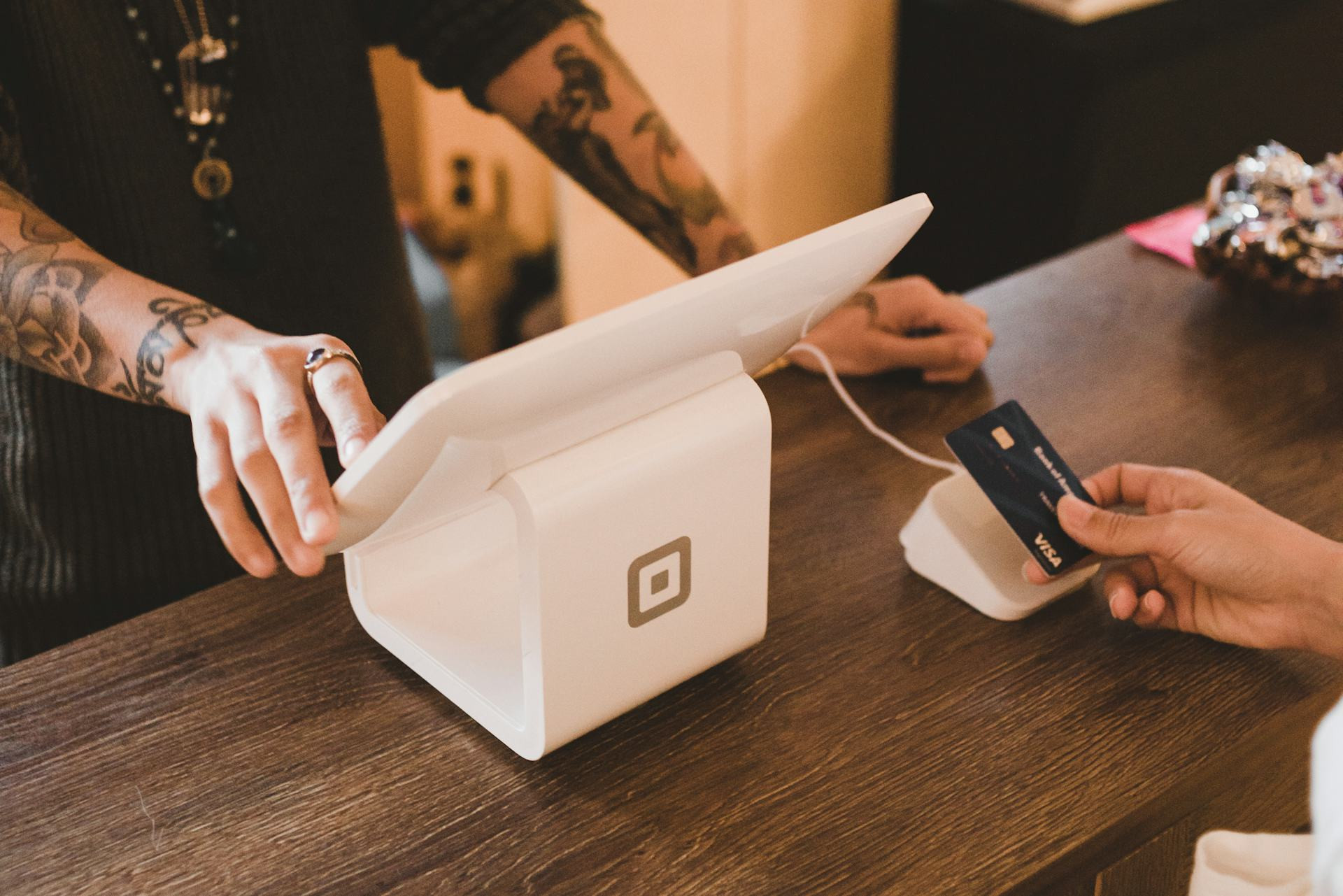
Take Control of Your Personal Finances with Digital Tools
Managing your personal finances can feel overwhelming—especially when bills, subscriptions, and payments are scattered across multiple accounts and apps. Fortunately, today’s digital tools make it easier than ever to track your spending, plan for the future, and avoid unpleasant surprises at the end of the month. Here’s how you can use technology to take charge of your financial life.
Start with a Clear Overview
The first step toward financial control is understanding where your money goes. Most U.S. banks now offer mobile apps that automatically categorize your transactions into groups like groceries, transportation, housing, and entertainment. This gives you a quick snapshot of your spending habits and helps you identify areas where you can cut back.
If you want a deeper look, try budgeting apps such as Mint, YNAB (You Need a Budget), or Monarch Money. These apps sync with your bank accounts and credit cards to show your income and expenses in real time. Many also let you set goals—like paying off debt or saving for a vacation—and track your progress automatically.
Build a Digital Budget That Works
Gone are the days of static spreadsheets. Modern budgeting apps let you create dynamic budgets that adjust as your income or expenses change. You can:
- Set spending limits for essentials like rent, groceries, and transportation.
- Create savings goals and have the app automatically transfer money to a separate account.
- Monitor your progress month by month to see how well you’re sticking to your plan.
A digital budget helps you react quickly if you overspend and gives you a sense of control that can reduce financial stress.
Læs også:



Keep Tabs on Subscriptions and Recurring Payments
Streaming services, gym memberships, software, and delivery subscriptions can quietly add up. Apps like Truebill (now Rocket Money) and Bobby help you identify and manage recurring charges. They show you what you’re paying for, when the next payment is due, and even allow you to cancel unwanted subscriptions directly from the app.
You might be surprised by how many services you’re still paying for but no longer use. Cleaning up your subscriptions can free up extra cash each month.
Use Digital Tools for Saving and Investing
Once you’ve got your spending under control, it’s time to think about the future. Many banks and fintech companies offer automated savings features that make it easy to set money aside without thinking about it. Apps like Acorns round up your purchases to the nearest dollar and invest the spare change, while Chime and Ally Bank let you set up automatic transfers to savings accounts.
If you’re ready to start investing, platforms like Fidelity, Vanguard, Robinhood, and Betterment make it simple to buy stocks, ETFs, or mutual funds with just a few taps. Most offer educational resources and risk assessments to help you invest confidently, even if you’re a beginner.
Manage Shared Finances with Ease
For couples, roommates, or families, keeping track of shared expenses can be tricky. Apps like Splitwise and Settle Up make it easy to record who paid for what and how costs should be divided. Some banks also offer joint accounts with built-in budgeting tools, so everyone can see where the money is going.
Transparent financial tracking can help prevent misunderstandings and make managing household finances smoother for everyone involved.
Stay Safe and Protect Your Data
When using digital financial tools, security should always come first. Choose apps from reputable providers, enable two-factor authentication, and avoid sharing passwords. Be mindful of the permissions you grant—especially when connecting apps to your bank accounts.
Most legitimate financial apps in the U.S. follow strict data protection standards, but it’s still your responsibility to use them wisely. Regularly review your accounts for suspicious activity and update your passwords periodically.
Make Financial Check-Ins a Habit
Digital tools can simplify money management, but they can’t do the work for you. The key is consistency. Set aside time each month to review your spending, adjust your budget, and track your progress toward your goals.
Treat it like a routine—just as you would a workout or a doctor’s appointment. Over time, these small check-ins can make a big difference in your financial confidence and stability.
A Smarter Path to Financial Peace
Using digital tools isn’t just about saving money—it’s about gaining clarity and peace of mind. When you know where your money is going and have a plan for the future, your finances become a source of support rather than stress.
With the right apps and a bit of discipline, you can take control of your personal finances—and focus your energy on what truly matters.
Læs også: