Disagreements on the Construction Site? How to Handle Conflicts Along the Way

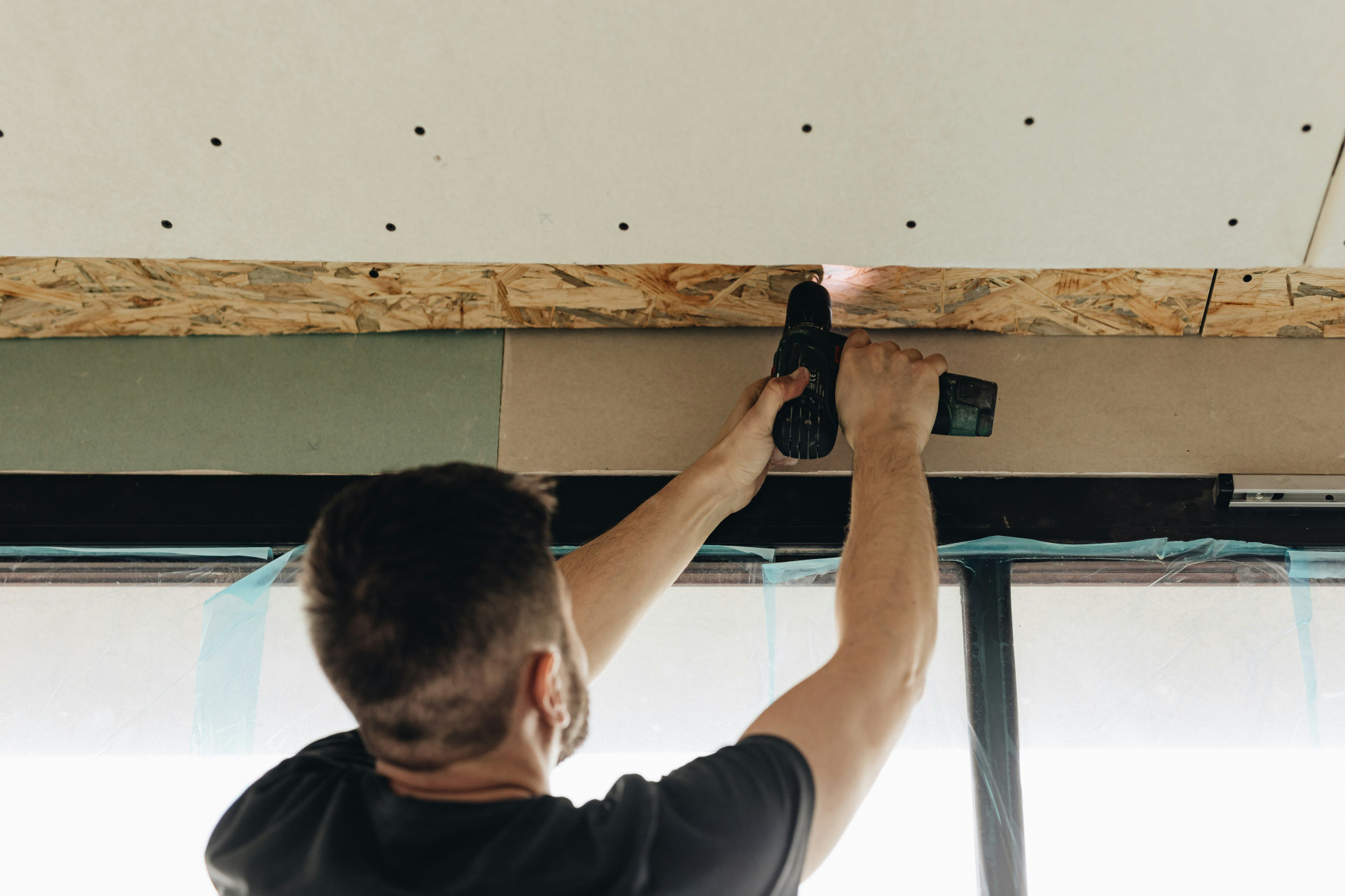
Disagreements on the Construction Site? How to Handle Conflicts Along the Way
A construction project—whether it’s a home renovation or a large commercial build—is rarely free of friction. When contractors, subcontractors, suppliers, and clients all work together under tight deadlines, misunderstandings and frustrations can easily arise. That’s normal, but how those conflicts are handled can make a big difference for both the work environment and the final result. Here’s a guide to understanding, preventing, and resolving conflicts on the job site before they get out of hand.
Understand Why Conflicts Happen
Disagreements on a construction site are rarely about one single issue. They often stem from a mix of factors:
- Scheduling pressure – When deadlines slip and the pace picks up, stress levels rise and tempers can flare.
- Unclear agreements – If roles, responsibilities, or expectations aren’t clearly defined, confusion and disputes can follow.
- Communication gaps – Tradespeople, project managers, and clients may use different terminology or have different priorities, leading to misunderstandings.
- Personality differences – Different work styles, experience levels, and temperaments can create tension in day-to-day collaboration.
Recognizing the root cause of a conflict is the first step toward solving it. It helps ensure that the solution addresses the real issue—not just the symptoms.
Set Clear Expectations from the Start
The best way to avoid conflicts is to prevent them before they start. That begins in the planning phase:
- Draft a detailed contract that clearly outlines scope, timelines, payment terms, and responsibilities.
- Hold kickoff meetings so everyone can ask questions and align expectations.
- Appoint a project manager or site supervisor to coordinate communication and decision-making.
- Document everything—agreements, changes, and completed work. Good documentation can prevent many disputes later.
When everyone knows what’s expected and who’s responsible for what, collaboration becomes smoother—even when challenges arise.
Læs også:
Communication Is Key
Many conflicts can be avoided with good communication. It’s not just about talking—it’s about listening and understanding each other’s perspectives.
- Address issues early. If something isn’t working, bring it up promptly and constructively.
- Hold regular site meetings to review progress, discuss challenges, and clarify changes.
- Use clear language. Avoid jargon that others might not understand, and be specific in your descriptions.
- Show respect. Even small frustrations can escalate if the tone becomes harsh. A professional, respectful approach goes a long way.
A culture of open communication builds trust—and trust is the foundation of any successful project.
When a Conflict Arises
Even with the best preparation, disagreements can still happen. What matters most is how they’re handled.
- Stay calm. Avoid reacting in anger—take a break if needed.
- Listen to the other side. Often, conflicts arise because someone feels unheard or misunderstood.
- Focus on solutions, not blame. Ask, “How can we move forward?” instead of “Who’s at fault?”
- Bring in a neutral party if needed. A project manager, consultant, or mediator can help find a resolution everyone can accept.
Once the issue is resolved, it’s a good idea to summarize the agreement in writing so everyone is clear on the next steps.
Legal and Formal Options
If a dispute can’t be resolved through discussion, there are formal avenues available in the U.S. construction industry:
- Mediation – A voluntary process where a neutral mediator helps the parties reach a mutually acceptable solution.
- Arbitration – A faster, more specialized alternative to court, often used in construction contracts.
- Litigation – The last resort, when no other resolution works.
However, it’s almost always better—financially and professionally—to resolve disagreements before they reach that stage.
Learn from the Experience
After the dust settles, take time to reflect: What went wrong, and what can be improved next time? Maybe communication needs to be strengthened, contracts made clearer, or coordination improved.
Learning from conflicts not only makes future projects smoother—it also builds stronger relationships and trust among everyone involved.
A Strong Project Is Built on Respect
A construction project is a shared effort. Whether you’re a contractor, subcontractor, or client, the goal is the same: to deliver a great result. When everyone approaches the work with respect, openness, and a willingness to find solutions, the job site becomes a better place to be—and the finished project something everyone can be proud of.
Læs også: