When the Budget Goes Off Track: How to Handle Financial Uncertainty in Your Construction Project

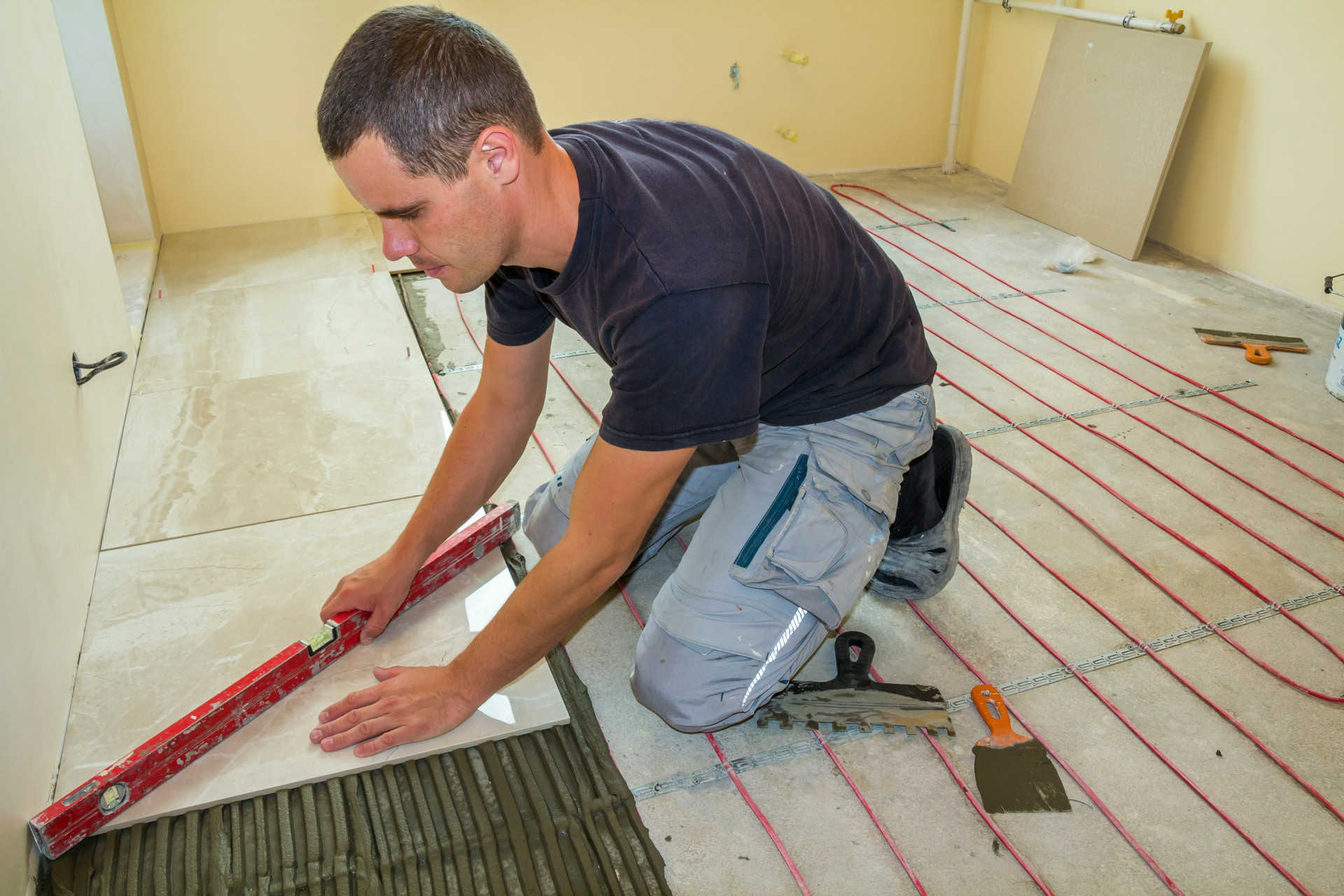
When the Budget Goes Off Track: How to Handle Financial Uncertainty in Your Construction Project
For many Americans, building or remodeling a home is a lifelong dream—and one of the biggest financial commitments they’ll ever make. But even the best-laid plans can go awry. Material prices fluctuate, labor costs rise, and unexpected issues can quickly push your budget off track. Here’s how to manage financial uncertainty when your construction project doesn’t go exactly as planned.
Understand Why Budgets Go Over
The first step in regaining control is understanding what caused the overrun. In most cases, it’s a mix of several factors:
- Unexpected expenses – hidden structural issues, code upgrades, or additional work that wasn’t part of the original plan.
- Price volatility – lumber, steel, and concrete prices can change dramatically in a short time.
- Insufficient contingency – many budgets are too tight and leave no room for surprises.
- Scope changes – once construction begins, it’s tempting to upgrade finishes or add new features.
Knowing the reasons behind the overruns helps you make informed decisions instead of reacting in panic.
Start With a Realistic Plan
A solid budget begins with realistic expectations. Many homeowners underestimate the true cost of construction. Get multiple bids from licensed contractors, and make sure you understand what’s included—and what’s not.
Create a detailed breakdown of all costs: materials, labor, permits, design fees, inspections, and site preparation. Then add a contingency fund of at least 10–15% for unforeseen expenses. It may seem like a lot, but that cushion can make the difference between a manageable project and a financial headache.
Keep a Close Eye on Spending
Once construction is underway, track your finances carefully. Small decisions can add up quickly. Use a spreadsheet or budgeting app to record every expense and compare it to your original plan.
- Request regular updates from your contractor – ask for revised estimates whenever changes occur.
- Approve changes in writing – to avoid misunderstandings about cost and scope.
- Monitor payment schedules – never pay for work that hasn’t been completed.
The more closely you monitor your spending, the faster you can respond if something starts to go off course.
Reassess Priorities When Money Gets Tight
If your budget is already stretched, it’s time to prioritize. Ask yourself what’s essential and what’s nice to have. Some parts of the project—like landscaping, high-end fixtures, or a finished basement—can often be postponed.
Have an open conversation with your contractor or project manager about cost-saving options. Sometimes you can substitute materials or adjust the design without sacrificing quality. The key is to stay calm, keep perspective, and avoid rushed decisions that could cost more in the long run.
Læs også:


Review Your Financing Options Early
If costs are rising, don’t wait until you’re in a bind to talk to your lender. Contact your bank or mortgage provider early to discuss options such as increasing your construction loan or refinancing. It’s easier to negotiate when you still have flexibility.
At the same time, review your overall finances. You may be able to temporarily cut back on other expenses or delay major purchases until the project is complete. A proactive approach can prevent unnecessary stress later.
Learn From the Experience
Even if your project has gone over budget, it’s not a total loss. Every challenge offers valuable lessons. Homeowners who’ve been through the process once are often far better prepared the next time around. They know where the pitfalls are and how to plan for uncertainty.
Keep all your contracts, invoices, and notes organized—they’ll be invaluable if you build again or help someone else through the process. And remember: a project that faced financial hurdles can still result in a home you love.
Building Your Dream Without Breaking the Bank
A construction project isn’t just about bricks and beams—it’s about trust, planning, and peace of mind. Financial uncertainty can be stressful, but with careful preparation, open communication, and consistent oversight, you can minimize the risks. The goal isn’t to avoid every problem—it’s to be ready when they arise.
When you finally step into your finished home, you’ll realize that the extra effort you put into budgeting and planning was worth it. Because a strong foundation isn’t just made of concrete—it’s built on financial confidence.
Læs også: