From French Roulette to Global Phenomenon: The Evolution of the Game Through History


From French Roulette to Global Phenomenon: The Evolution of the Game Through History
Roulette is one of the most recognizable casino games in the world—a symbol of chance, elegance, and the thrill of uncertainty. But the game’s journey from 17th-century France to today’s digital casinos is a fascinating story of innovation, culture, and globalization. Let’s explore how roulette evolved from an aristocratic pastime into a worldwide phenomenon.
French Origins – The Birth of the Wheel
The story of roulette begins in 17th-century France, where mathematician and physicist Blaise Pascal was experimenting with perpetual motion machines. His attempt to create a device that could move indefinitely without energy input didn’t succeed, but it inspired the concept of a spinning wheel that would later become the foundation of roulette.
By the 18th century, roulette had become a favorite among the French elite. The game combined elements from earlier gambling games such as Roly-Poly and Biribi, but introduced a new mechanic that made it both more unpredictable and more refined. Early versions of the roulette wheel featured both a single and a double zero, setting the stage for the variations that would later define the game.
From Ban to Brilliance – The Rise of Monte Carlo
In the early 19th century, gambling was banned in much of France. This prompted two brothers, François and Louis Blanc, to move their operations to the small principality of Monaco. There, they helped establish the Monte Carlo Casino, which quickly became a playground for Europe’s aristocracy.
The Blanc brothers made a crucial change to the game: they removed the double zero, leaving only a single zero on the wheel. This adjustment slightly improved the player’s odds and gave rise to what became known as “French roulette.” Monte Carlo soon became synonymous with luxury and sophistication, and roulette became the ultimate symbol of risk and refinement.
The American Twist – Faster and Fiercer
When European immigrants brought roulette to the United States in the 19th century, the game took on a new identity. American casinos reintroduced the double zero to increase the house edge, and the wheel itself was often simplified in design. The result was a faster, more straightforward version of the game—one that matched the energy and entrepreneurial spirit of the New World.
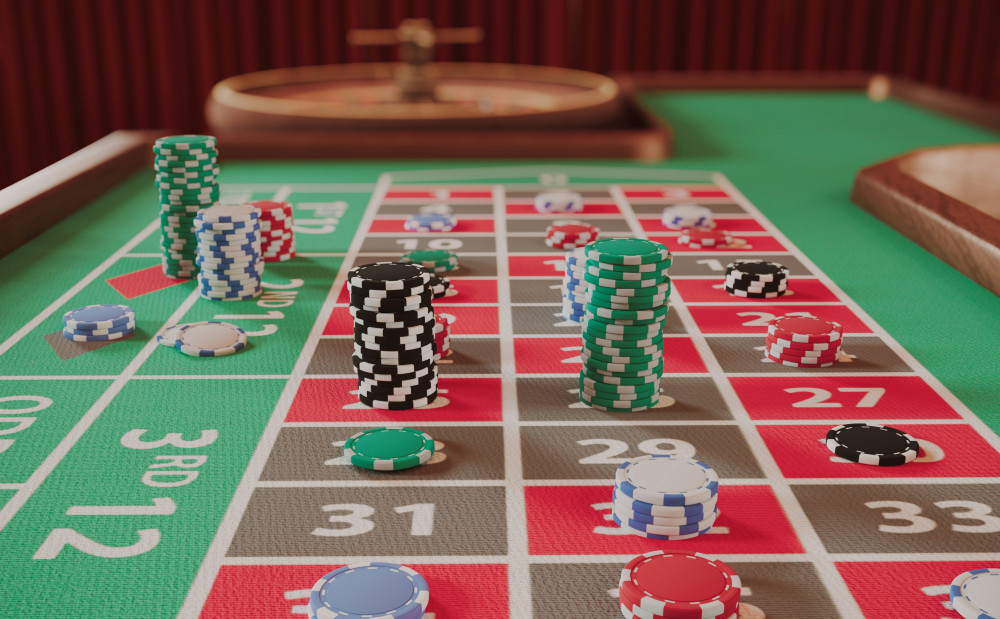
The distinction between European (single-zero) and American (double-zero) roulette remains one of the defining differences in casino gaming today. Each version reflects the culture that shaped it: the European preference for elegance and balance, and the American appetite for boldness and speed.
Roulette in Popular Culture – From Hollywood to the Strip
Roulette has long held a special place in popular culture. The image of the spinning wheel and bouncing ball has become a cinematic shorthand for fate, luck, and high-stakes drama. From glamorous Monte Carlo scenes in classic films to the neon-lit casinos of Las Vegas, roulette has been portrayed as both a game of chance and a metaphor for life’s unpredictability.
In the United States, roulette became a fixture of the Las Vegas experience. The game’s simplicity and visual appeal made it a favorite among both casual players and high rollers. Whether in black-and-white gangster films or modern blockbusters, the roulette wheel continues to symbolize the tension between fortune and risk.
The Digital Revolution – Roulette in the Online Era
The rise of the internet in the 1990s transformed roulette once again. Online casinos made it possible for anyone to play from home, breaking down the barriers of geography and exclusivity. Digital versions of both European and American roulette quickly gained popularity, offering realistic graphics, sound effects, and even live dealers streaming from real casino studios.
Today, roulette exists in countless forms—from traditional table games to mobile apps and virtual reality experiences. Technology has made the game more accessible than ever, allowing millions of players around the world to experience the same thrill that once captivated French nobles and Monte Carlo elites.
Læs også:

From Aristocratic Pastime to Global Icon
Roulette has survived centuries of change, prohibition, and technological upheaval. Its enduring appeal lies in its perfect balance of simplicity and suspense—a game where everyone has a chance, but no one can predict the outcome.
From the salons of 17th-century France to the casinos of Las Vegas and the screens of online players worldwide, roulette has maintained its timeless charm. It’s more than just a game of luck; it’s a cultural icon that reflects humanity’s eternal fascination with chance, risk, and destiny.
Læs også: