Game Theory in Everyday Life: What Casino Strategies Can Teach Us About Cooperation, Competition, and Negotiation

Game Theory in Everyday Life: What Casino Strategies Can Teach Us About Cooperation, Competition, and Negotiation
When most people hear the term game theory, they picture economists, mathematicians, or maybe professional poker players calculating odds and strategies. But game theory is about much more than numbers—it’s about how people make decisions when the outcome depends on what others do. That makes it relevant not just at the casino table, but in everyday life—from workplace negotiations to family decisions.
By looking at how casino players think strategically, we can learn a lot about how to navigate cooperation, competition, and negotiation in our own lives.
What Is Game Theory—and Why It’s Not Just for Mathematicians
Game theory is the study of strategic decision-making. It explores how individuals (or “players”) choose actions when their success depends on the choices of others. The classic example is the prisoner’s dilemma: two people must decide whether to cooperate or betray each other, and their outcomes depend on both decisions.
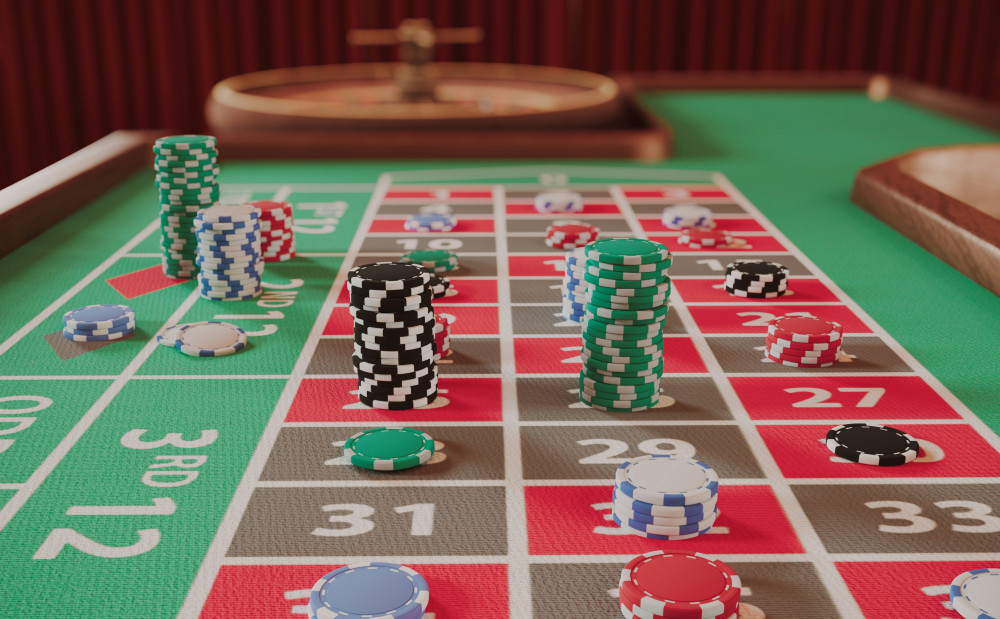
In the casino world, game theory is everywhere. In poker, success isn’t just about luck—it’s about reading opponents, assessing probabilities, and choosing the strategy that maximizes expected value. The same logic applies in blackjack, where players must decide when to hit, stand, or double down based on the cards in play.
But the principles of game theory extend far beyond gambling. They help explain why we sometimes choose to cooperate—and other times to compete.
Læs også:



Cooperation: When Shared Success Requires Trust
In many games—and in many real-life situations—cooperation leads to the best outcome. But it requires trust. In poker, for instance, two players might indirectly cooperate against a third by avoiding unnecessary confrontation. In everyday life, coworkers do something similar when they share information instead of hoarding it.
Game theory shows that cooperation is more likely when interactions are repeated. If you know you’ll deal with the same person again, it pays to act fairly. This is known as a repeated game—and it mirrors how relationships work in business and community life. The person who always tries to “win” at others’ expense quickly loses trust and allies.
Competition: Thinking Like a Strategist
Casinos thrive on competition, but even in competitive settings, success isn’t about aggression—it’s about strategy. A skilled poker player knows when to bluff and when to fold. The same applies in business: sometimes it’s smarter to concede a little now to gain more later.
Game theory teaches that rational behavior doesn’t always mean maximizing immediate gain. Often, the best move is the one that builds long-term advantage. Whether you’re managing a career, running a company, or navigating social dynamics, thinking strategically means balancing short-term wins with sustainable success.
Negotiation: Balancing Risk and Reward
Negotiations—whether over salary, real estate, or project terms—are classic game theory scenarios. Each side wants the best deal, but the outcome depends on how the other side responds.
In casino terms, it’s like deciding how much to bet. Too much risk can lead to loss, but too little can mean missing out on potential gains. The best strategy lies somewhere in between—and it requires understanding both your own goals and the other party’s motivations.
A key concept in game theory is the Nash equilibrium—a point where no player can improve their outcome by changing strategy, as long as others stick to theirs. In negotiation, that’s the moment when both sides feel the deal is fair. Reaching that point takes insight, patience, and empathy.
What Casino Strategies Can Teach Us
Casinos are designed for entertainment—and the house always has an edge—but they also serve as fascinating laboratories for human behavior. They reveal how people respond to risk, uncertainty, and competition.
The best players know that emotions like fear and greed cloud judgment. They think in probabilities, not hopes. And they accept that losses are part of the game—the goal is to minimize them, not avoid them entirely.
In everyday life, the same mindset applies:
- Think strategically, not impulsively. Consider how your choices affect others—and how their reactions affect you.
- Be aware of risk. Sometimes it’s smart to take a chance; other times, restraint pays off.
- Learn from losses. Every mistake is data, not defeat.
Game Theory as a Life Strategy
At its core, game theory is about understanding relationships and decision-making. It reminds us that we rarely act in isolation—our choices influence others, and theirs influence us.
Whether you’re sitting at a poker table, negotiating a contract, or trying to get your family to agree on vacation plans, you’re playing a game. The better you understand the rules—and the motivations of others—the more likely everyone walks away feeling like a winner.
Læs også: