Almost New or Brand-New Car? How to Decide Which Option Makes the Most Financial Sense

Almost New or Brand-New Car? How to Decide Which Option Makes the Most Financial Sense
When it’s time to buy a car, one of the first questions that comes up is whether to go for a brand-new model straight from the dealership or a nearly new car that’s just a year or two old. Both options have their advantages and drawbacks, and the right choice depends on your budget, driving habits, and priorities. Here’s a guide to help you decide which option makes the most financial sense for you.
What Does “Almost New” Mean?
An “almost new” car in the U.S. market is typically a vehicle that’s less than two years old and has fewer than 25,000 miles on the odometer. It might be a former lease vehicle, a dealer demo, or a car that someone traded in after a short period. These cars are still modern and often come with the latest features, but they’ve already taken the biggest depreciation hit that happens the moment a new car leaves the lot.
The Advantages of a Brand-New Car
There’s something special about driving a car that’s never been owned before. You get to choose the exact color, trim, and features you want, and you can enjoy that unmistakable “new car” feeling. Beyond that, there are several practical benefits:
- Full manufacturer’s warranty – usually 3 years/36,000 miles or more, depending on the brand.
- No wear and tear – everything is fresh, clean, and unused.
- Attractive financing offers – automakers often provide low-interest or even 0% APR deals on new models.
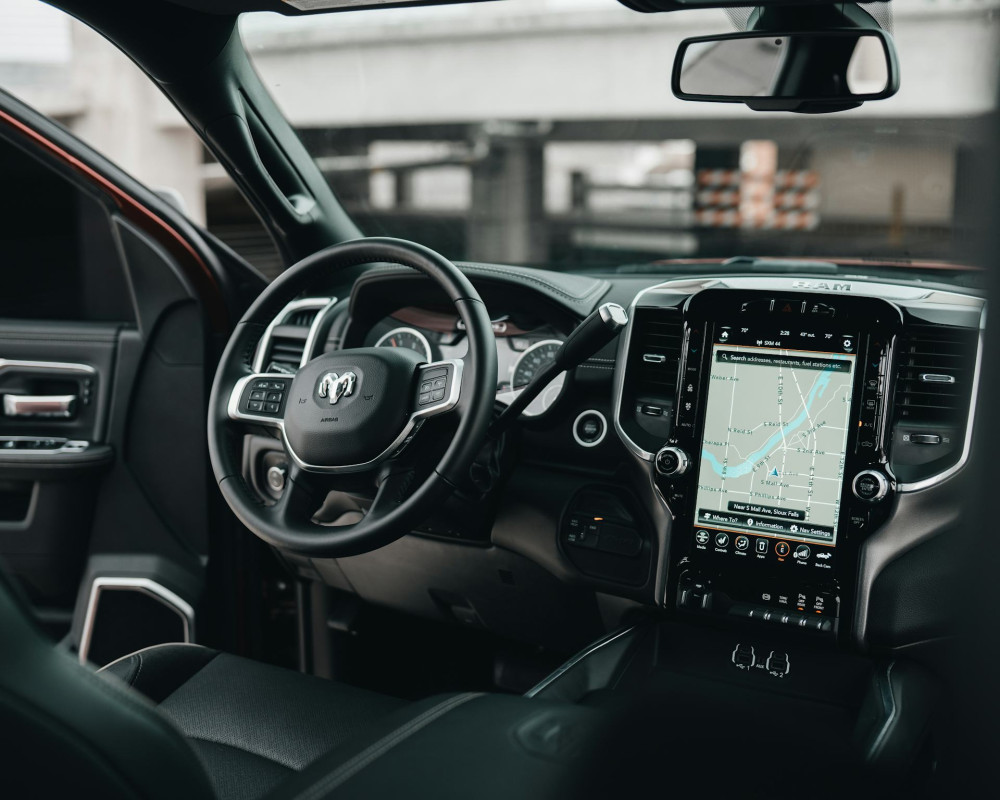
- Latest technology – including advanced safety systems, improved fuel efficiency, and updated infotainment.
The downside, of course, is cost. New cars typically lose 15–25% of their value in the first year. That means you’re paying a premium for being the first owner.
The Advantages of an Almost New Car
Buying an almost new car can be a smart financial move if you want a modern vehicle without paying for the steepest part of depreciation. Here’s why:
- Lower purchase price – you can often save thousands compared to the original sticker price.
- Remaining warranty coverage – many cars still have several years of factory warranty left.
- Immediate availability – no waiting for factory orders or shipping delays.
- Slower depreciation – the biggest drop in value has already happened.
The trade-off is that you might have to compromise on color, trim, or optional features, and there could be minor cosmetic wear. However, these are usually small sacrifices for the savings you gain.
The Financial Picture: What Does It Really Cost?
When comparing new and almost new cars, it’s important to look at total ownership cost, not just the purchase price. Consider these factors:
- Depreciation: The largest expense of car ownership. New cars lose value fastest.
- Financing: New cars may qualify for lower interest rates, but you’ll borrow more money.
- Insurance: Premiums are often slightly lower for used cars.
- Maintenance: New cars rarely need repairs early on, while slightly used cars may require more frequent servicing.
For example, a new car priced at $40,000 might be worth $30,000 after three years—a $10,000 loss. A nearly new version of the same model bought for $35,000 might drop to $28,000 in the same period—a $7,000 loss. That difference can add up.
How Important Is the Warranty?
Warranty coverage is a key part of a car’s value. A brand-new car comes with full coverage from day one, while an almost new car often has a remaining warranty of two to four years. That still provides peace of mind against manufacturing defects, though for a shorter period.
Some dealerships and manufacturers offer extended warranties or certified pre-owned (CPO) programs, which include additional inspections and coverage. These can be worthwhile if you’re buying a nearly new car and want extra protection.
When Does It Make Sense to Buy New?
A brand-new car might be the right choice if you:
- Plan to keep the car for many years.
- Want the latest technology, safety features, and best fuel economy.
- Prefer full warranty coverage and zero previous owners.
- Can take advantage of special financing or manufacturer incentives.
On the other hand, an almost new car is often the smarter choice if you:
- Want the best value for your money.
- Tend to replace your car every 3–5 years.
- Don’t mind limited choices in color or options.
- Want to avoid the steepest depreciation.
Læs også:


How to Evaluate a Specific Offer
When you’re at the dealership or browsing online, it can be tricky to compare options directly. Here are a few steps to help you make a well-informed decision:
- Compare total costs – including taxes, fees, and delivery charges.
- Check remaining warranty coverage – and what it includes.
- Review the vehicle history report – especially for almost new cars.
- Estimate depreciation – use online calculators or consult your lender.
- Take a test drive – comfort, noise level, and handling can vary even between similar models.
Conclusion: Finding the Right Balance
There’s no one-size-fits-all answer to whether a brand-new or almost new car is the better buy. It depends on how long you plan to keep the car, how much you drive, and how much you value that “new car” experience.
For many buyers, an almost new car offers the best balance between price, warranty, and quality. But if you want full control over features, the latest technology, and the reassurance of a brand-new warranty, a new car can still be worth the extra cost.
Læs også: