Part-Time Car: How to Plan Your Expenses When You Only Drive Occasionally


Part-Time Car: How to Plan Your Expenses When You Only Drive Occasionally
For many Americans, owning a car is no longer a daily necessity but a convenient backup for specific situations—weekend trips, errands, or visits to family. Maybe you work from home most days, live near public transit, or simply prefer walking or biking for short distances. But even when your car sits idle, it still costs money. If you only drive occasionally, it’s worth taking a closer look at your car expenses and planning strategically. Here’s how to make the most of your vehicle without overspending.
Understand Your Real Driving Needs
Start by getting an honest picture of how much you actually drive. Many people overestimate their needs because having a car feels like security. Track your mileage for a month or two and note what the trips are for—commuting, shopping, recreation, or travel.
If you drive fewer than 6,000–8,000 miles a year, owning a car outright might not be the most cost-effective option. In that case, consider alternatives such as car-sharing, short-term leasing, or subscription services that let you pay only when you need a vehicle.
Fixed vs. Variable Costs – Know the Difference
Car expenses fall into two main categories:
- Fixed costs: insurance, registration, loan payments, depreciation, and parking or garage fees. These costs continue whether you drive or not.
- Variable costs: gas, maintenance, car washes, and repairs. These depend on how much you use the car.
When you drive infrequently, fixed costs make up a larger share of your total spending. That means you should focus on minimizing them—by choosing a less expensive car, adjusting your insurance coverage, or exploring flexible ownership options.
Consider Alternatives to Full Ownership
Today, there are more ways than ever to have access to a car without owning one:
- Car-sharing services – Companies like Zipcar or Turo let you rent by the hour or day, paying only for what you use. Ideal for city dwellers who drive occasionally.
- Car subscriptions – A monthly fee covers insurance, maintenance, and registration. You pay for convenience and flexibility, but avoid surprise expenses.
- Short-term leasing – Works well if you need a car for a few months, such as during a temporary job or seasonal stay.
- Traditional rentals – If you only need a car a few times a year, renting from a local agency may still be the cheapest option.
Compare the total annual cost of owning, leasing, or sharing a car. You might be surprised at how much you can save by not owning one full-time.
Choose the Right Type of Car
If you decide to own a car, pick one that fits your actual lifestyle—not your idealized one. A small, fuel-efficient car is cheaper to insure and maintain than a large SUV that mostly sits in the driveway.
Electric vehicles can be a smart choice if you drive short distances and can charge at home, but remember they still come with fixed costs like insurance and depreciation. Use an online cost calculator to compare total ownership costs across different models.
Læs også:
Keep Your Costs Down
Even a rarely used car needs care. Here are some ways to keep expenses under control:
- Bundle your insurance – Many insurers offer discounts if you combine auto, home, and other policies.
- Adjust your coverage – If your car is older and has low value, consider dropping comprehensive or collision coverage.
- Stick to essential maintenance – Follow the manufacturer’s schedule, but don’t pay for unnecessary extras.
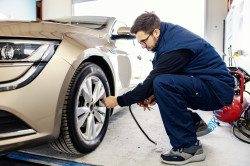
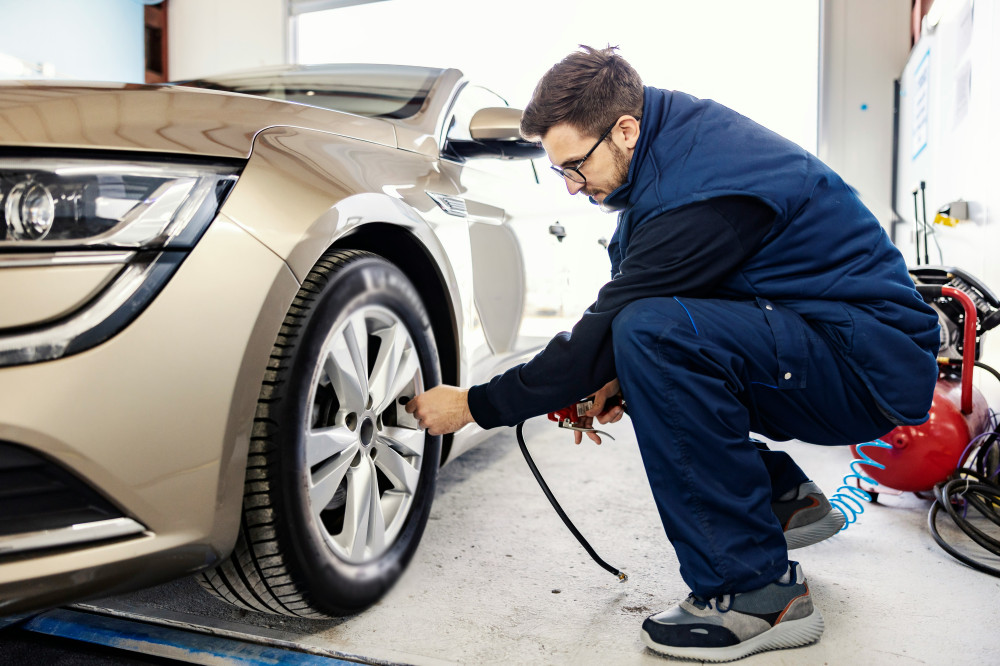
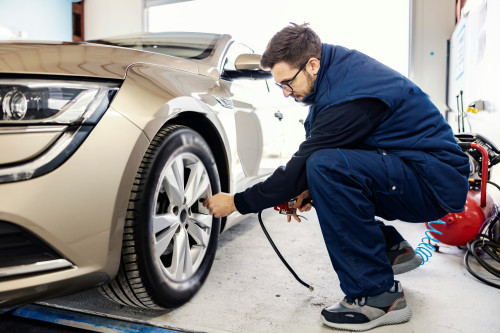
- Maintain tire pressure – Properly inflated tires reduce wear and improve fuel economy.
- Drive it occasionally – A car that sits too long can develop battery or brake issues, so take it for a short drive every few weeks.
Create a Realistic Budget
A simple car budget can help you see the full picture. List all fixed costs—insurance, registration, loan payments—and add estimates for gas and maintenance. Then divide by the number of miles you drive per year. This gives you a cost per mile that you can compare with alternatives like rideshare, public transit, or car-sharing.
Many people are surprised to learn how expensive it is to keep a car that’s rarely used.
A Part-Time Car Takes Planning—but Offers Freedom
Owning a car part-time is about finding the right balance between freedom and finances. With a bit of planning, you can keep the flexibility of having a car without paying more than necessary. Whether you choose to own, lease, or share, the key is understanding your real needs and picking the option that fits your lifestyle best.
Læs også: