Make Your Tires Last Longer with Proper Pressure, Rotation, and Storage

Make Your Tires Last Longer with Proper Pressure, Rotation, and Storage
Tires are one of the most important—and often overlooked—parts of your vehicle. They’re your only contact with the road, and they affect safety, fuel efficiency, and comfort. Replacing them can be expensive, but with a few simple habits, you can extend their lifespan significantly. Here’s how proper tire pressure, rotation, and storage can save you money and keep you driving safely.
Proper Tire Pressure – The Easiest Way to Extend Tire Life
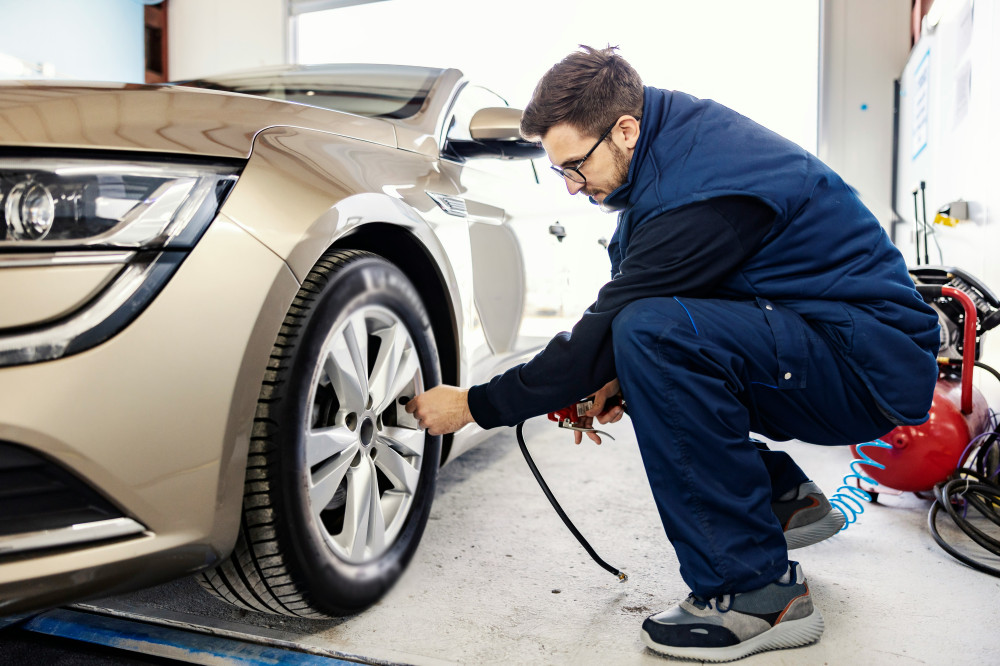
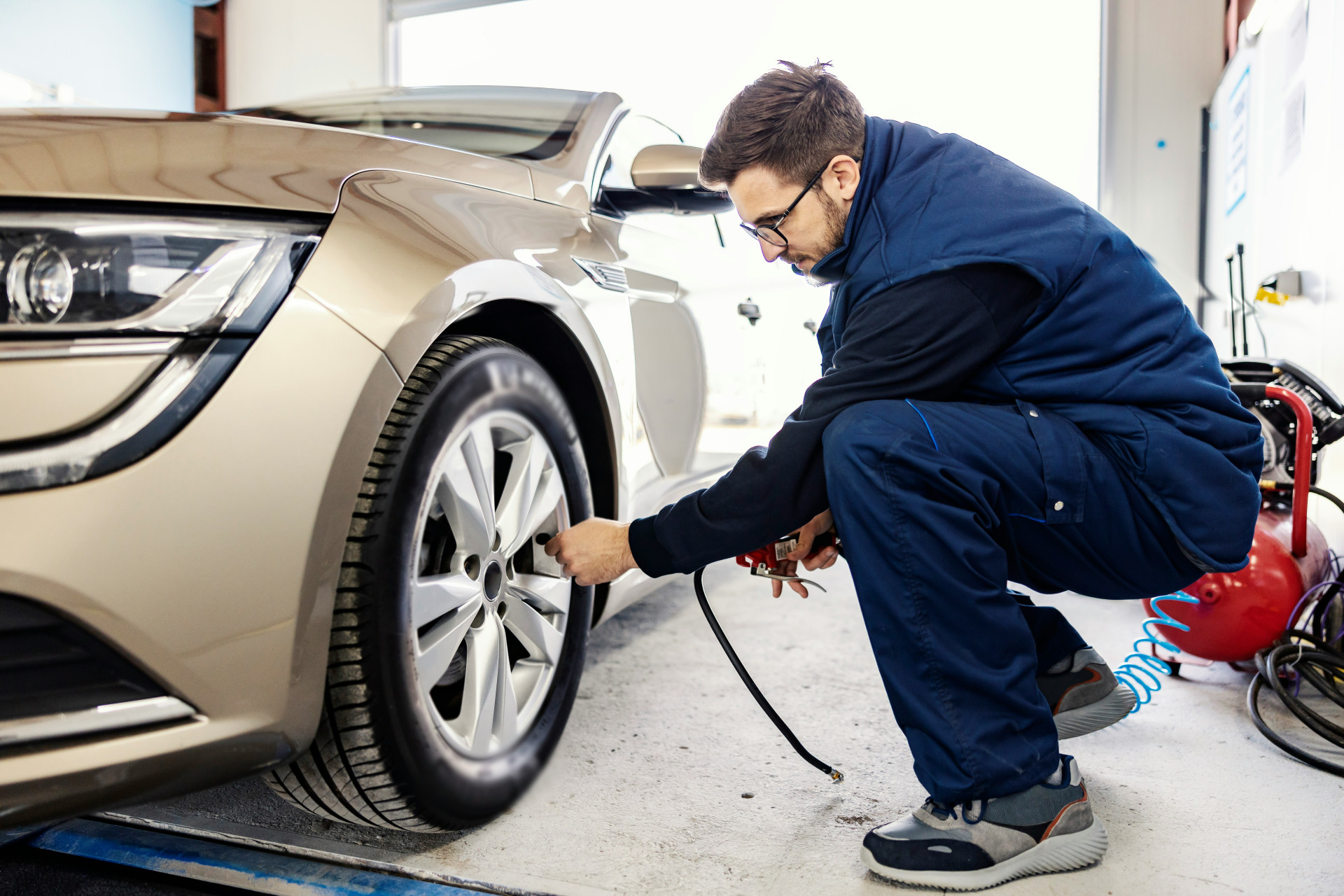
Maintaining the correct tire pressure is one of the simplest and most effective ways to make your tires last longer. Underinflated tires wear out faster on the edges and increase fuel consumption, while overinflated tires wear more in the center and reduce traction.
Check your tire pressure at least once a month—and always when the tires are cold. You can find the recommended pressure in your vehicle’s owner’s manual, on a sticker inside the driver’s door, or sometimes inside the fuel door. Remember to adjust the pressure if you’re carrying a heavy load or towing a trailer.
Keeping your tires properly inflated can extend their life by up to 20 percent and improve handling and fuel economy. It’s a small effort with a big payoff.
Tire Rotation – Even Wear Means Longer Life
Even with the right pressure, tires don’t always wear evenly. The front tires usually carry more weight and handle more stress from steering, braking, and acceleration. That’s why rotating your tires—switching their positions on the vehicle—helps them wear more evenly.
A good rule of thumb is to rotate your tires every 6,000 to 8,000 miles, or at least once a year. This helps ensure even wear and extends their lifespan. Some vehicles have different tire sizes on the front and rear, or directional tires that can only rotate in one direction, so always follow your manufacturer’s recommendations.
When you have your tires rotated, ask the technician to check the tread pattern. Uneven wear can indicate alignment issues or worn suspension components, both of which can shorten tire life and affect safety.
Proper Storage – Protecting Your Tires Off the Car
If you use separate sets of tires for summer and winter, proper storage is key to keeping them in good condition. Tires that are stored incorrectly can harden, crack, or lose their shape.
Here are a few simple storage tips:
- Clean your tires thoroughly before storing them. Remove stones, dirt, and brake dust.
- Store them in a cool, dry, and dark place—away from direct sunlight, heat sources, and ozone-producing equipment like electric motors.
- Tires without rims should be stored upright and rotated slightly every month to prevent flat spots.
- Tires with rims can be stacked, but place cardboard or cloth between each tire to protect the surfaces.
If you don’t have space at home, many tire shops and dealerships offer seasonal tire storage services. They’ll keep your tires in ideal conditions and inspect them for wear and damage before reinstalling them.
Drive Smart – It Makes a Difference
Even the best tires wear out faster if you drive aggressively. Hard acceleration, sharp turns, and sudden braking all increase stress and heat buildup, which shortens tire life. A smooth, steady driving style not only feels more comfortable but also saves fuel and reduces wear.
Pay attention to your vehicle’s alignment and balance as well. If your car pulls to one side or you feel vibrations in the steering wheel, it may be time for an alignment or balancing check. Fixing these issues early prevents uneven wear and improves safety.
Læs også:



A Small Effort with Big Rewards
Making your tires last longer doesn’t require special tools or advanced knowledge—just regular attention. With proper pressure, consistent rotation, and careful storage, you can add years to your tires’ lifespan while improving safety and efficiency.
It’s a simple investment of time that pays off in smoother rides, fewer replacements, and more money in your pocket.
Læs også: