Green Driving Through Taxes: How the Government Nudges Us Toward More Eco-Friendly Cars

Green Driving Through Taxes: How the Government Nudges Us Toward More Eco-Friendly Cars
When Americans shop for a new car, they often think about horsepower, design, and price. But behind the sticker price lies another powerful influence: taxes and incentives. Over the past decade, federal and state governments have increasingly used the tax system to steer drivers toward cleaner, more sustainable vehicles. The goal is simple—make it financially smarter to go green.
From Revenue Tool to Climate Policy
For most of the 20th century, vehicle taxes and fuel excise duties were primarily about raising revenue for infrastructure. The federal gas tax, introduced in 1932, helped fund the nation’s highways. But as climate change has become a central policy concern, these taxes have taken on a new role: shaping consumer behavior to reduce emissions.
Today, the U.S. tax code includes a range of incentives designed to promote electric and hybrid vehicles. The federal Clean Vehicle Credit, for example, offers up to $7,500 for qualifying electric cars, depending on where they’re made and where their batteries come from. Many states add their own rebates or tax breaks, making the total savings even greater. The message is clear—if you choose a cleaner car, you’ll pay less.
Electric Cars on the Rise—With a Push from Policy
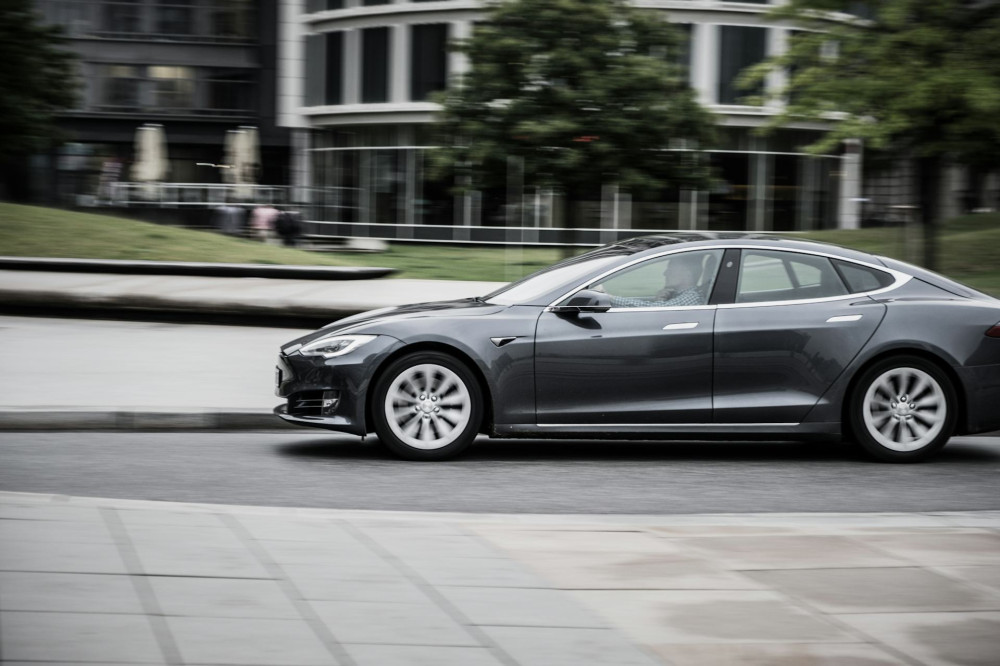
Electric vehicles (EVs) have moved from niche to mainstream in just a few years. In 2018, they made up less than 2% of new car sales; by 2023, that number had climbed to around 8%, and it continues to grow. While improved technology and longer ranges have helped, government incentives have been a major driver.
Federal tax credits lower the upfront cost, while states like California, New York, and Colorado offer additional rebates or reduced registration fees. Some utilities even provide discounts for installing home chargers. Together, these policies make EV ownership more affordable and convenient.
Still, the incentives come with trade-offs. As more people switch to electric, gas tax revenues—which fund road maintenance—are declining. Policymakers are now debating how to replace that lost income without discouraging the shift to cleaner vehicles.
Taxes as Behavioral Nudges
Taxes and fees don’t just raise money—they shape habits. When gas prices rise or when high-emission vehicles face extra fees, people drive less, carpool more, or consider smaller, more efficient cars. Some states have introduced annual registration fees based on vehicle weight or emissions, making it more expensive to own gas-guzzlers.
At the same time, EV owners often enjoy perks like access to carpool lanes or reduced tolls. These small advantages can make a big difference in daily life, reinforcing the idea that greener choices are not only better for the planet but also for your wallet and convenience.
Challenges and Criticism
Not everyone agrees that the current system is fair. Critics argue that EV tax credits primarily benefit wealthier households, since new electric cars still tend to cost more than used gas vehicles. Low-income drivers, who often rely on older cars, may not have access to the same benefits.
Infrastructure is another concern. While the federal government has committed billions to expanding the charging network, many rural and low-income areas still lack reliable access. Without widespread charging options, the transition to electric mobility risks leaving some communities behind.
Læs også:
The Future: Pay-by-Mile and Data-Driven Taxes
As the vehicle fleet becomes cleaner, the government faces a new challenge: how to fund roads and transportation systems when fewer people buy gasoline. One idea gaining traction is a mileage-based road usage fee, where drivers pay according to how much they drive rather than how much fuel they burn. Pilot programs in states like Oregon and Utah are already testing this approach.
Such systems could eventually replace the gas tax, creating a fairer and more sustainable funding model. They could also be adjusted to reflect environmental impact—charging more for heavier vehicles or those that consume more electricity from fossil-fuel-heavy grids.
A Greener Future Through Smart Policy
Taxes and incentives may not be the most glamorous part of the green transition, but they are among the most effective. By making polluting choices more expensive and clean ones more affordable, the government can guide millions of small decisions that add up to big environmental gains.
Still, financial incentives alone won’t solve the problem. The success of green driving depends on continued investment in charging infrastructure, renewable energy, and public awareness. If those pieces come together, the tax system could become one of America’s most powerful tools for building a cleaner, more sustainable transportation future—not by forcing change, but by making the green choice the smart choice.
Læs også: